
The Boycott, Divestment, and Sanctions (BDS) movement in Palestine represents the Palestinian popular and civil society consensus. It focuses on local grassroots boycott initiatives, adhering to the academic and cultural boycott guidelines by all major institutions and organizations, and leading anti-normalization efforts in all fields.
The BDS youth sector operates on the ground through universities, high schools, community-based committees, local authorities, organizations, academic and cultural institutions, coalitions, refugee camps, and villages.
BDS National Committee "BNC"
The Palestinian BDS National Committee (BNC) is the largest coalition in Palestinian society, in historic Palestine and in exile. Its General Assembly consists of 33 coalitions and grassroots campaigns, each represented by one member with one vote when decisions are required. Generally, all BNC decisions are reached on the basis of what we call in Arabic tawafuq, or accord.
The BNC includes the coalition of Palestinian political parties, refugee coalitions, all major trade unions, farmers' unions, professional syndicates, women's unions, grassroots networks, the Palestinian Campaign for the Academic and Cultural Boycott of Israel (PACBI), Stop the Wall campaign, among others.
The BNC General Assembly, the highest authority in the BNC that decides the overall policy, strategy and annual budget, elects an 11-member Secretariat every two years. The Secretariat, which oversees the daily operations of the BNC and the BDS movement, is divided into three main subcommittees: International, National (Local), and the Arab Region committee.
The BNC General Assembly meets every 3-4 months and when needed, while the Secretariat meets every 2 weeks with ongoing coordination and operations on a daily basis.
BDS Clubs
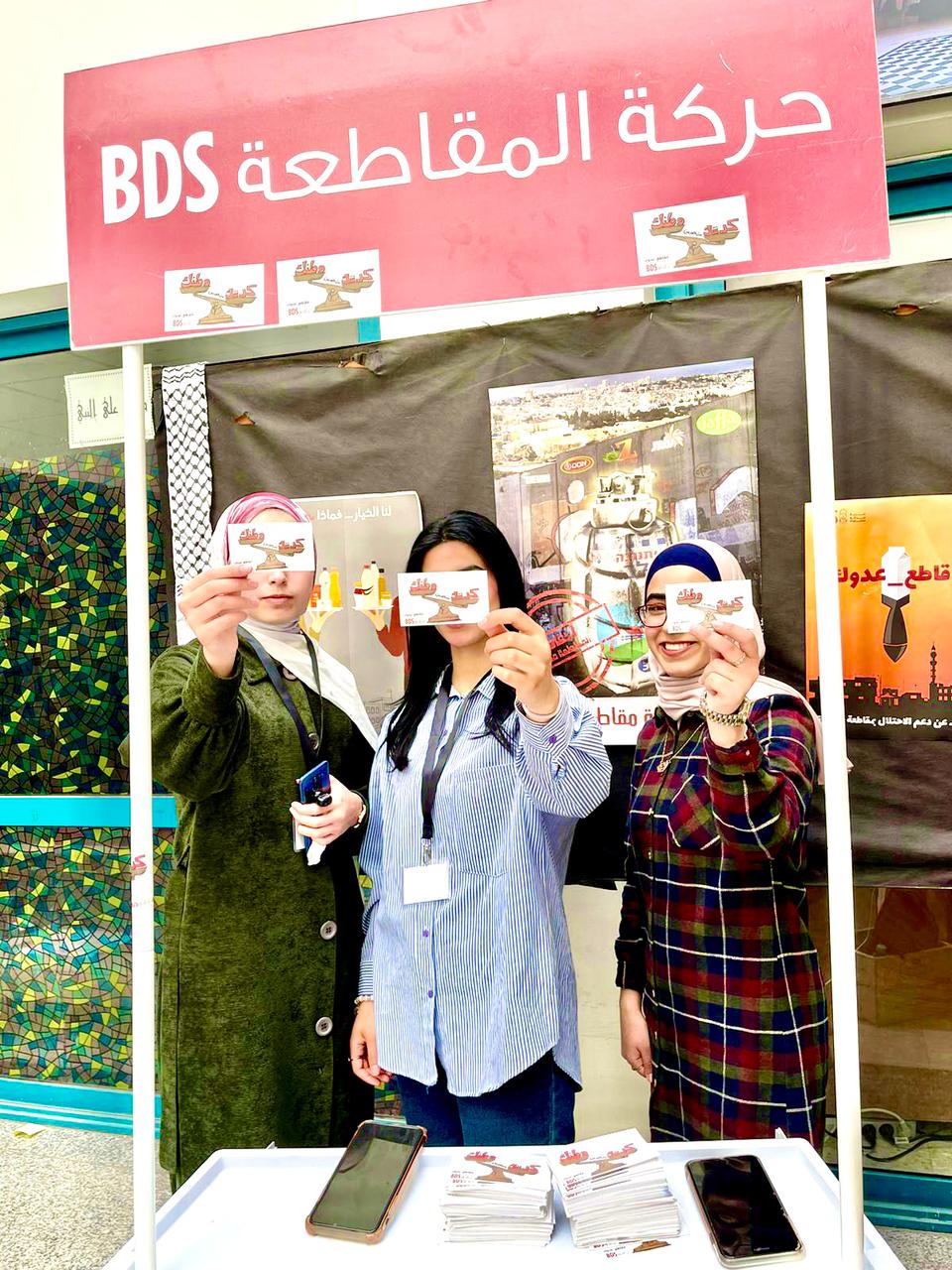
BDS Clubs are a cornerstone of the BDS youth sector in Palestine. They have been established in universities such as An-Najah, Birzeit, Al-Quds, Khadouri, Arab American (Jenin), Polytechnic, and Hebron University.
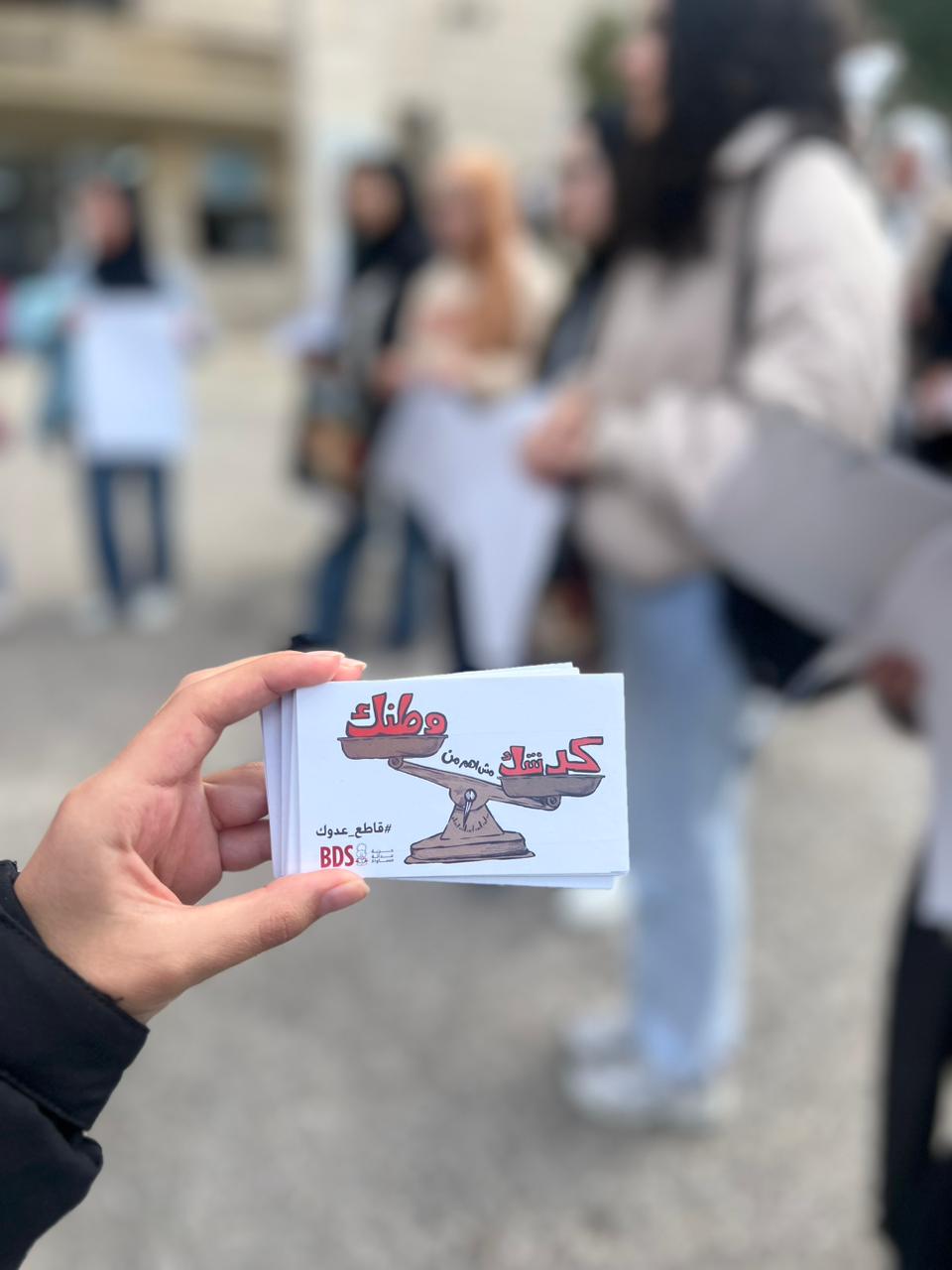
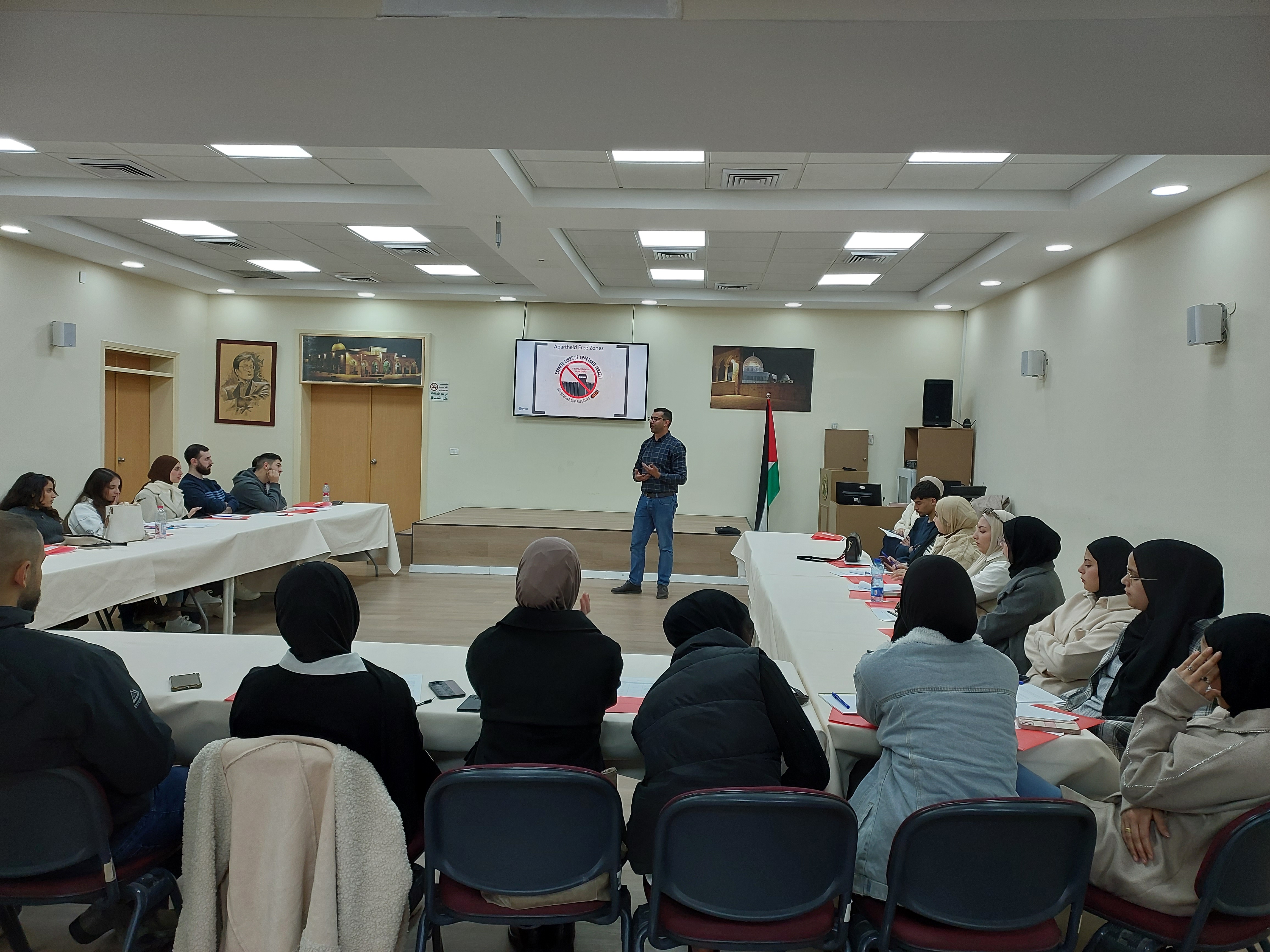
Each BDS Club has its own leadership structure and communication platforms. They organize BDS campaigns and activities on campus, often in coordination with the elected student councils and faculty and staff unions. Club leaders regularly meet to develop their skills, share best practices and debate the most effective strategies through workshops and an annual summer training camp.
Gallery
BDS Schools
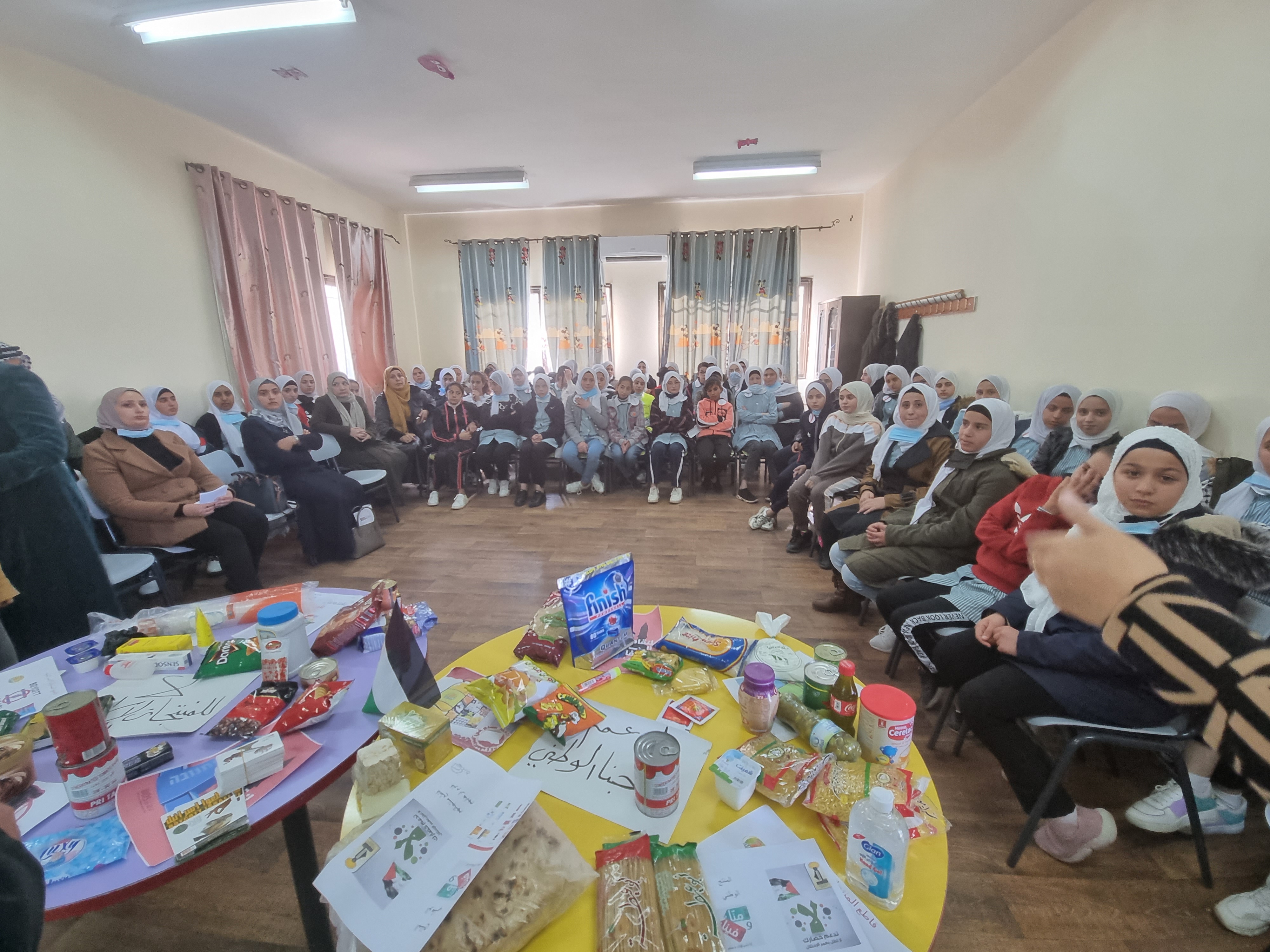
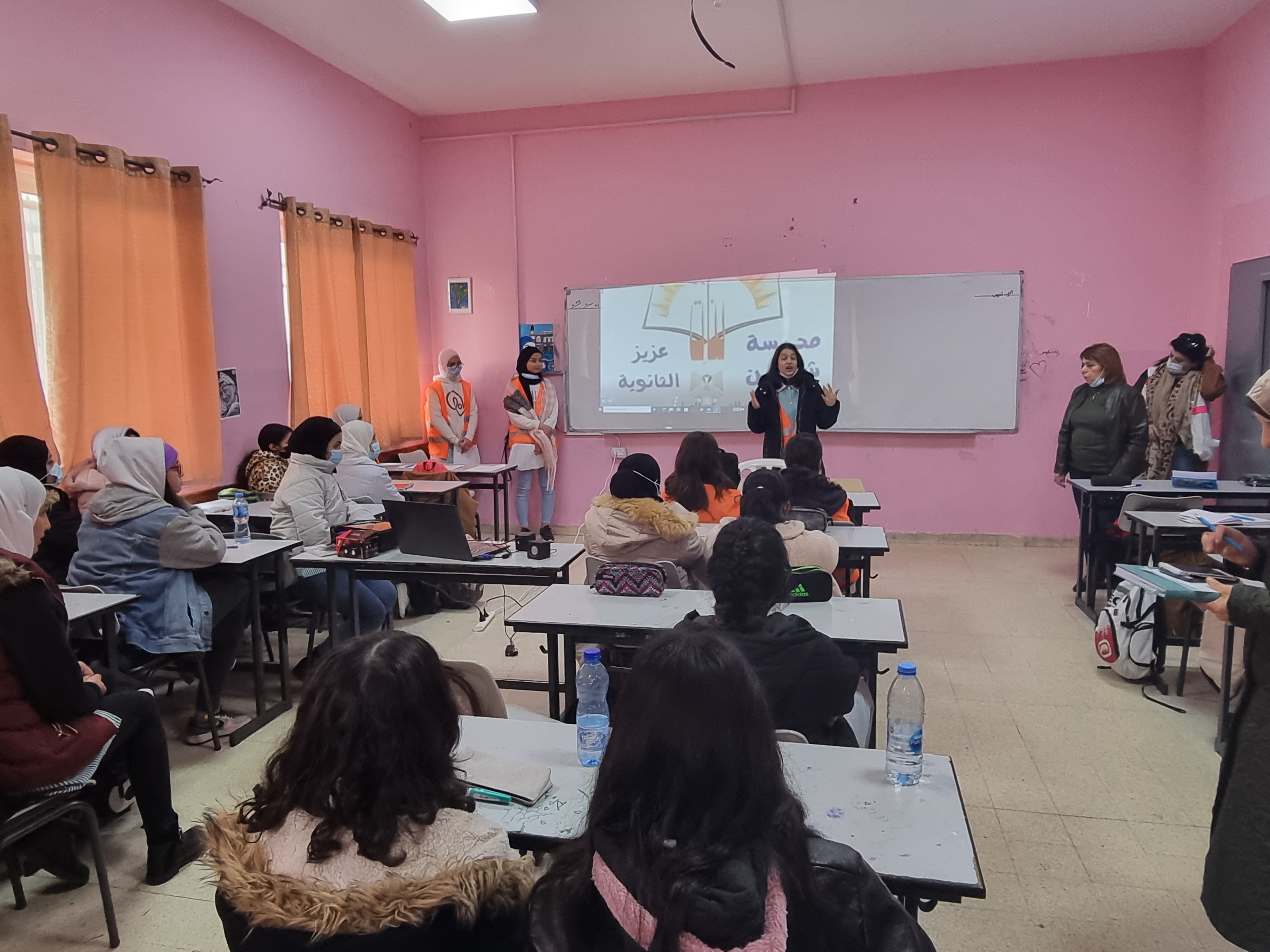
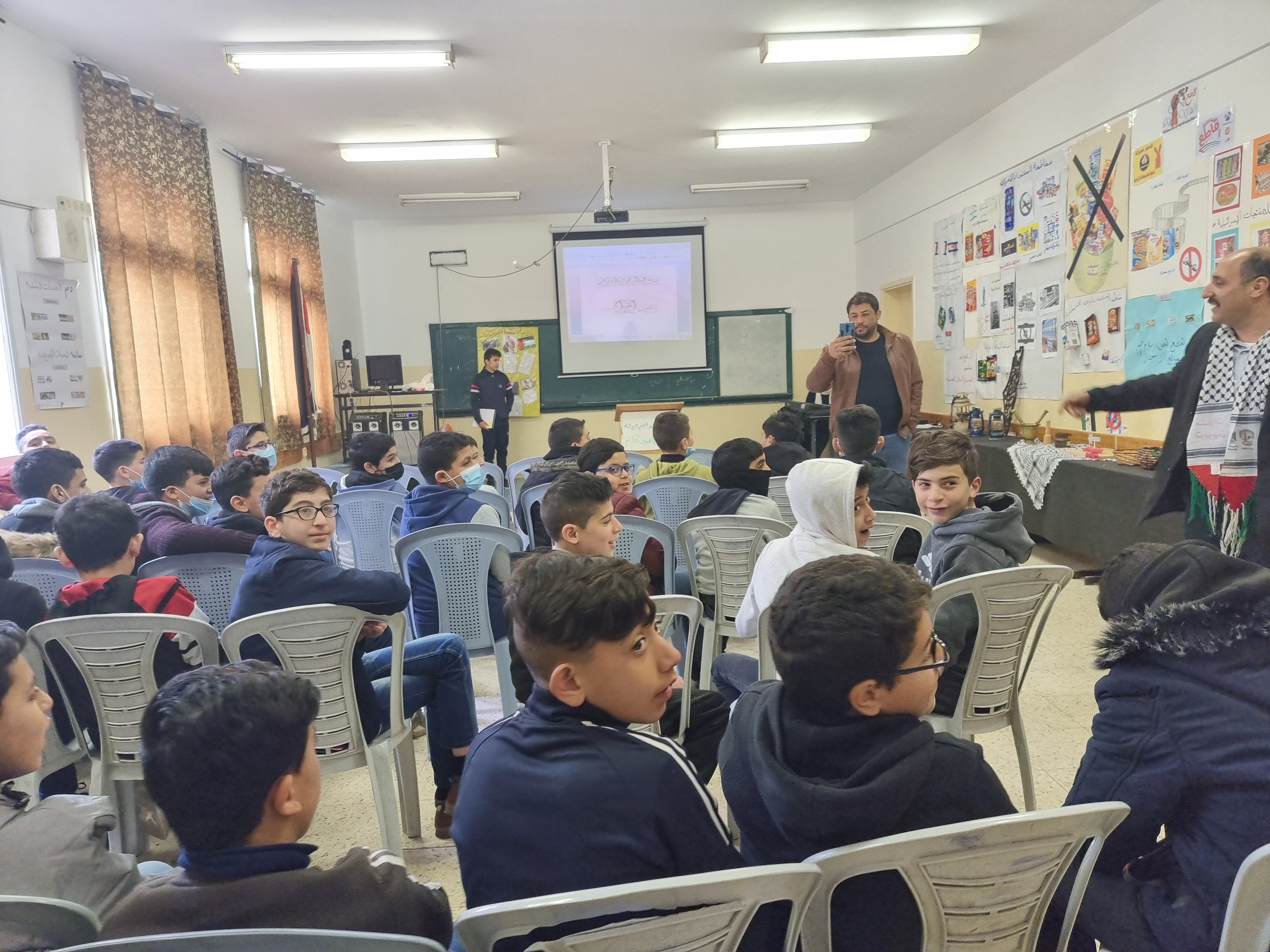
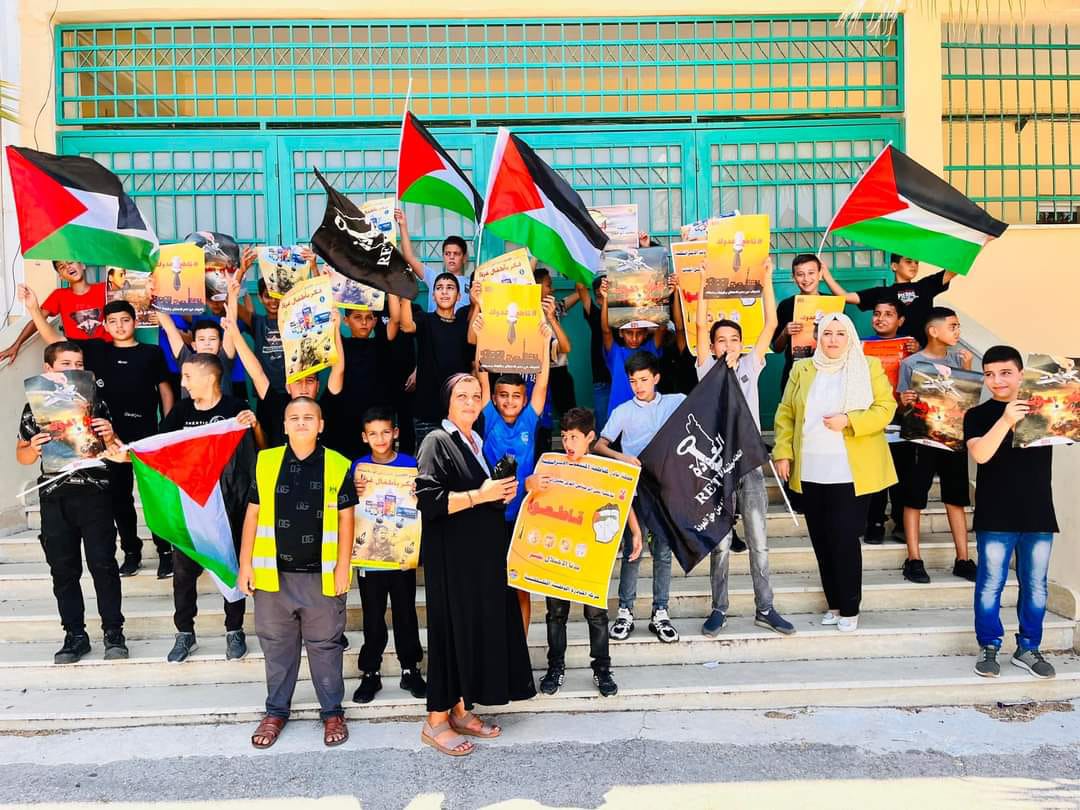
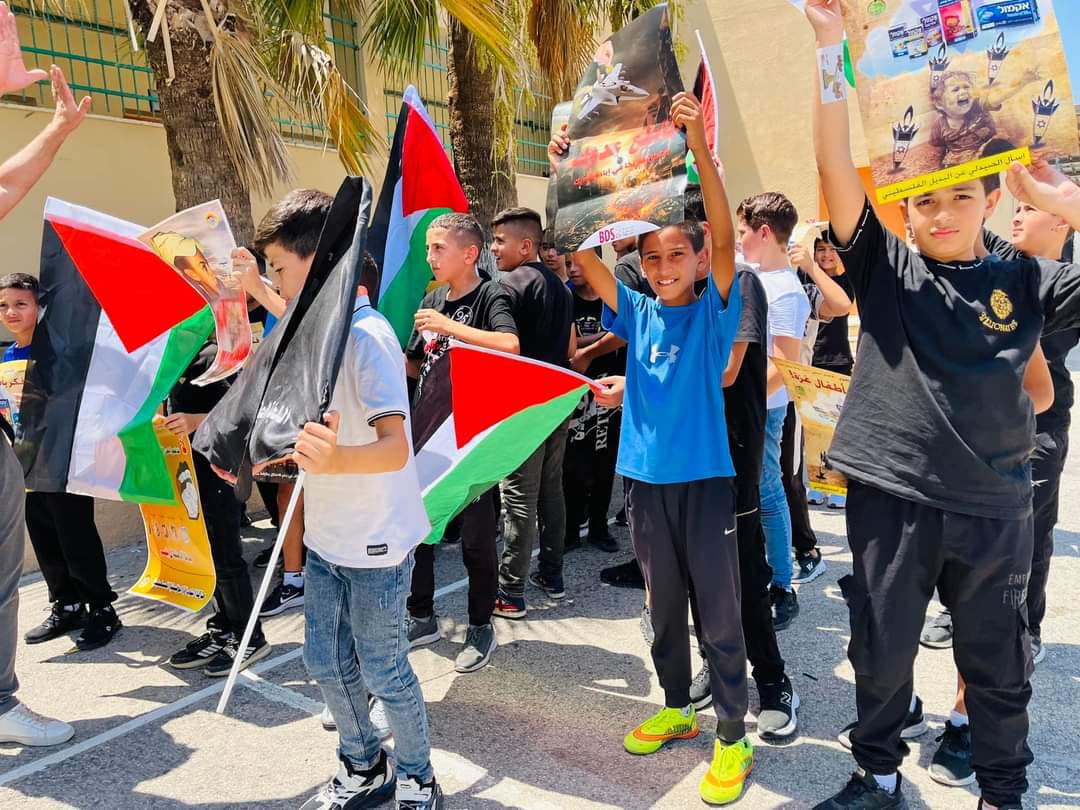
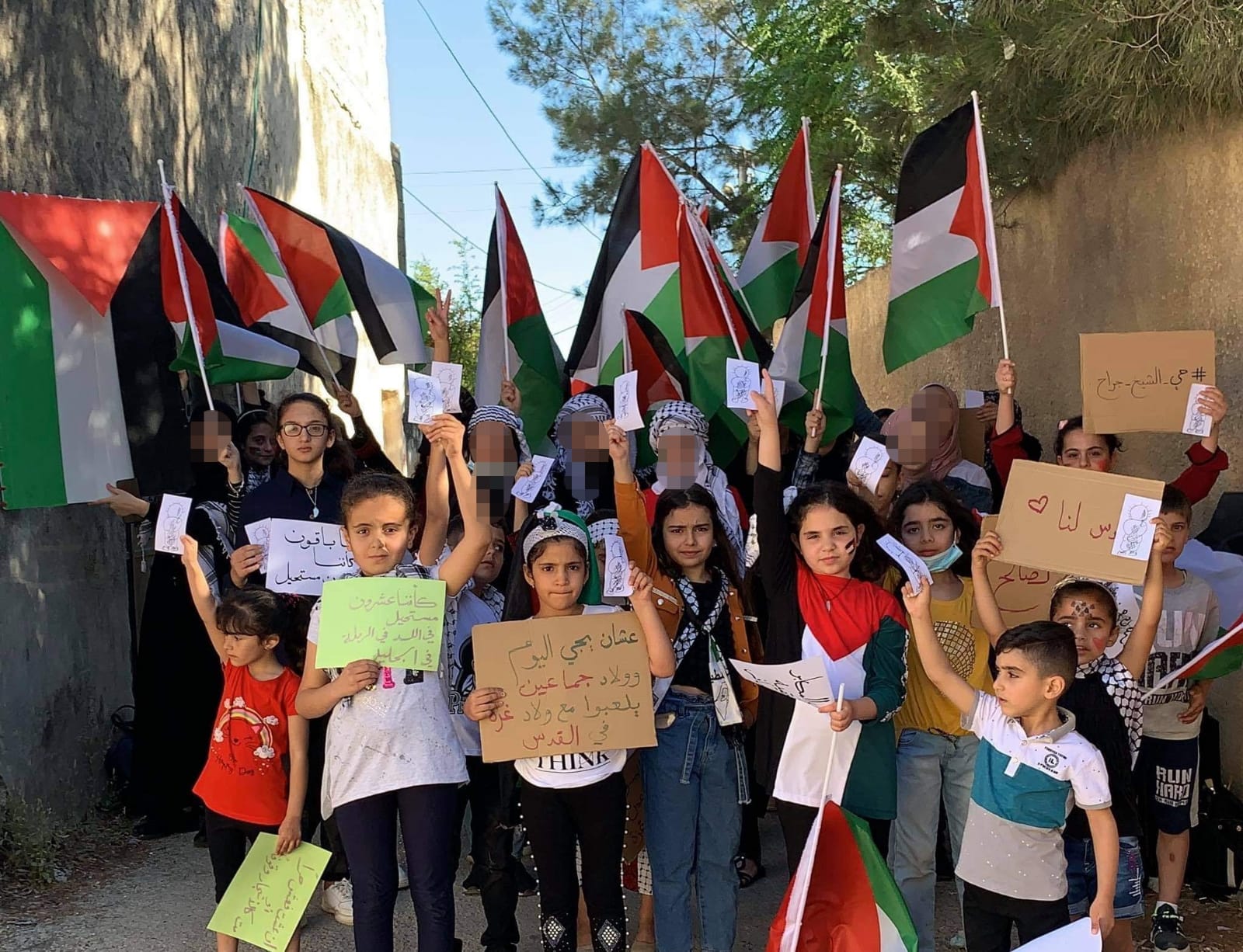
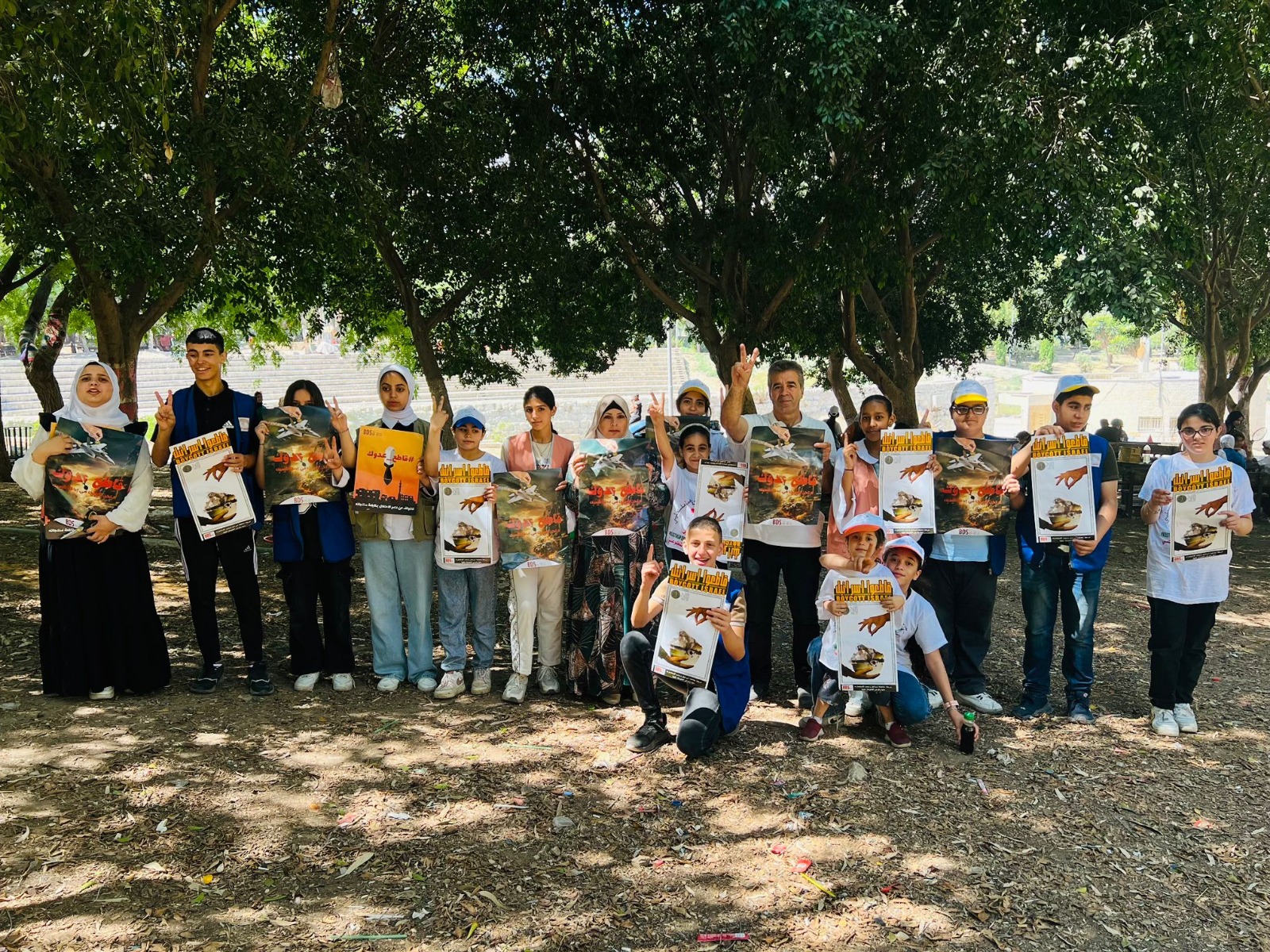
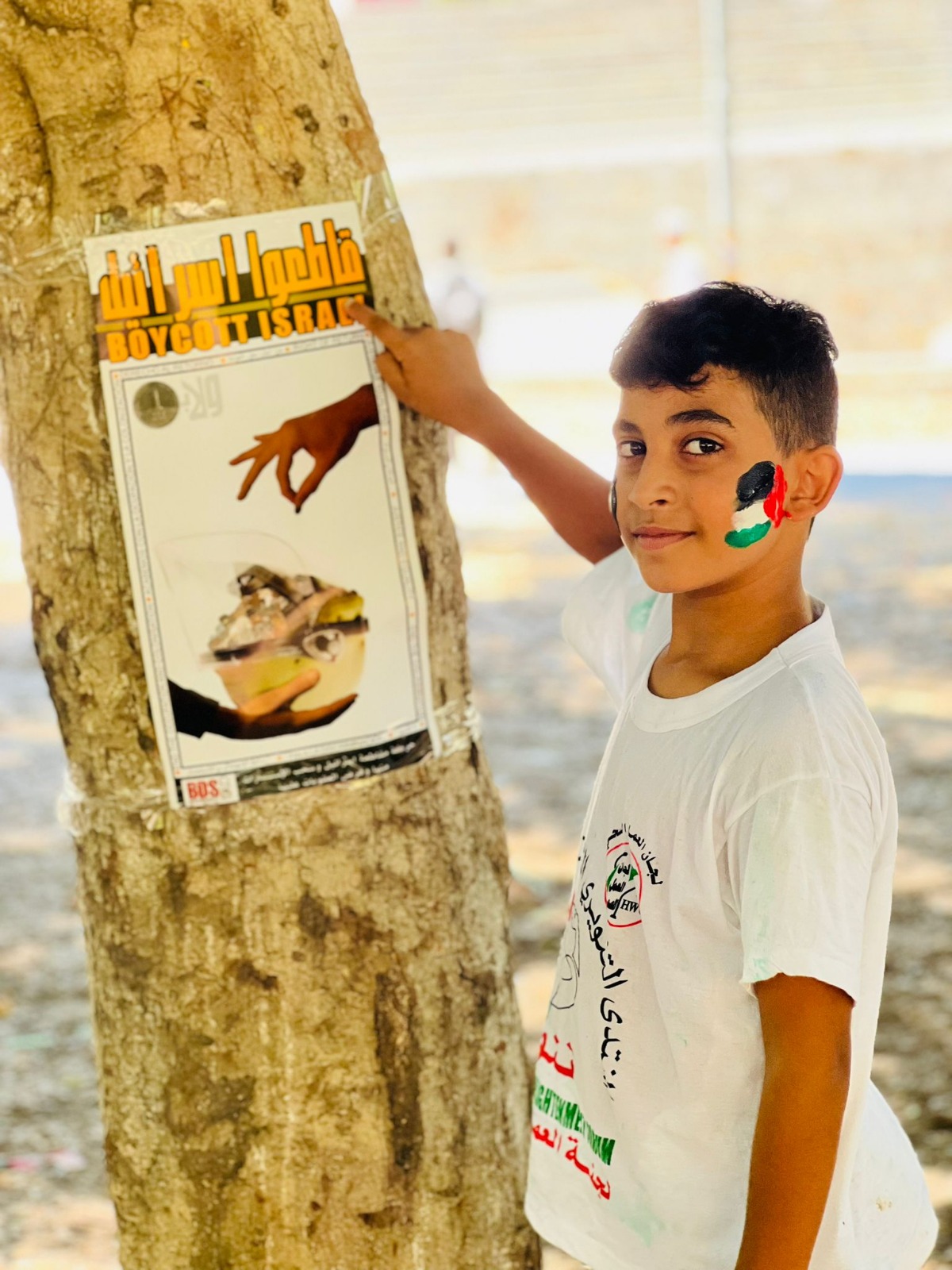
In partnership with the General Union of Palestinian Teachers (GUPT) and local authorities, the BDS movement runs the BDS Schools program. This initiative aims to empower school students to engage in popular resistance to the colonial oppression that controls their lives through boycotts. It also enables engaging the school community, particularly the families, to raise awareness about the importance of boycott as part of the Palestinian struggle for liberation.
To date, over 1,500 teachers have enrolled in the BDS training program, and hundreds of schools have been reached. Many schools have established BDS committees to lead local boycott campaigns within their institutions and surrounding communities, often organizing campaigns in their villages, cities, and refugee camps. Student-led campaigns involve creative forms, such as theater, music, animation, poetry, short stories, school newspapers, etc.
An eighth grader once eloquently summed up what this program has meant to her saying: “We’re not powerless. They try by all means to dig into our heads that we cannot be free or live in dignity. My schoolmates and I are now challenging the village council to enact a boycott of Israeli goods. Parents have a tough time arguing with their kids about this! We’re effective. We know we can make a difference in our liberation struggle.”
Gallery
Video of school activities

Education for Liberation, Empowering Palestinian Students
Local BDS Committees
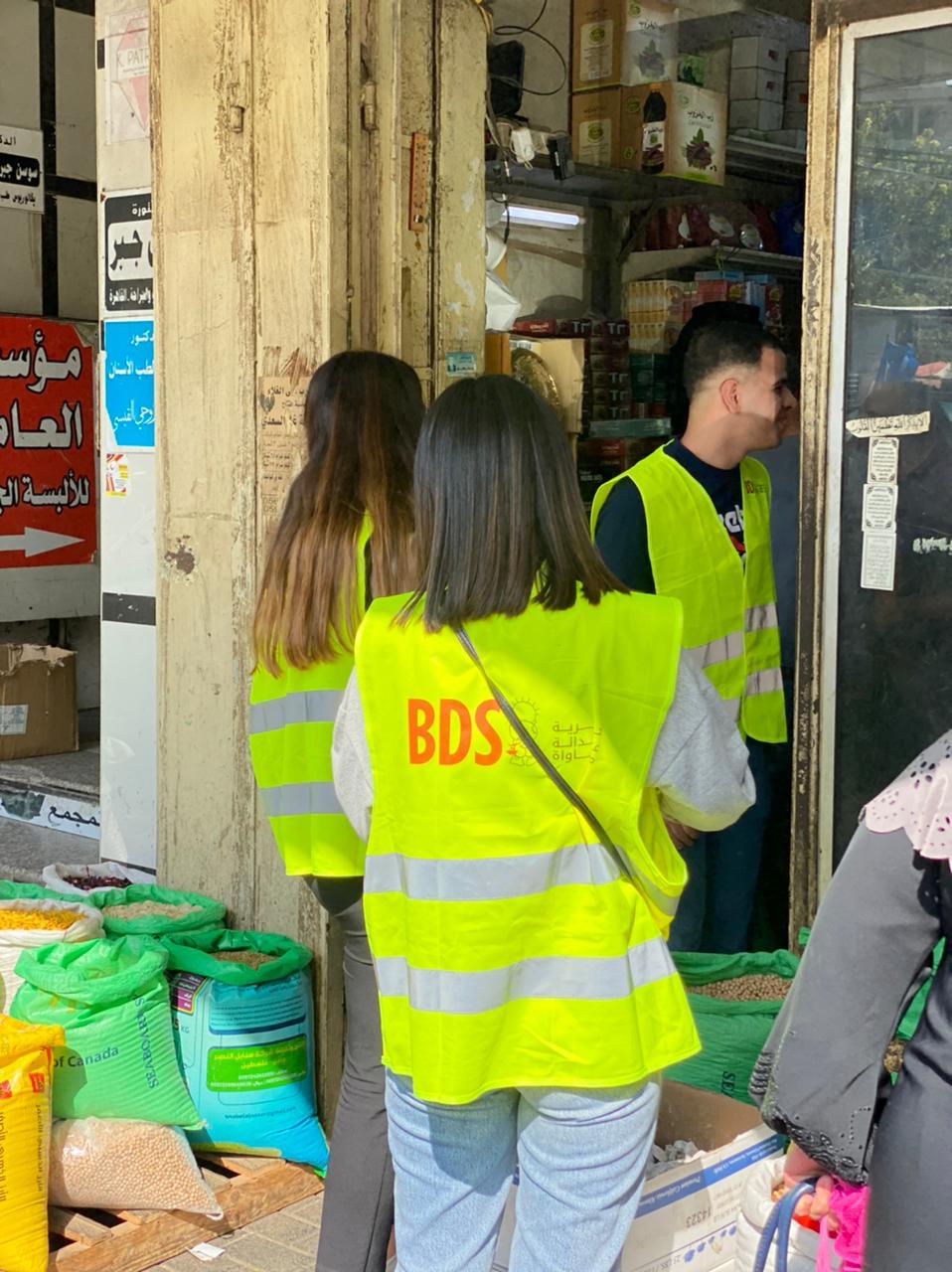
Local BDS Committees serve as coordination bodies in various Palestinian cities, including Gaza, Tulkarem, Nablus, Ramallah, and others. They represent local campaigns, organizations, relevant institutions, BNC entities, and others. These committees coordinate local campaigns, develop regional plans, and participate in national initiatives. They also manage relationships with other local bodies as needed.
BDS48
Despite the horrific level of repression by the apartheid state and its “security” organs, BDS48 was initiated in 2012 by Palestinian activists in the 1948 region of historic Palestine (citizens of present-day Israel). This predominantly clandestine nonviolent initiative focuses mainly on fighting normalization, in accordance with the special BDS guidelines for 1948 Palestinians. It also focuses on exposing the apartheid policies and systemic violence and racism that Palestinians face in Israeli institutions, including universities, in support of international BDS campaigns.
The BDS Local Committees Coordination Body
The Local Committees Coordination Body is composed of representatives from local committees, local authorities, BDS Clubs, the BDS youth sector, BNC entities, and others. It coordinates national campaigns, proposes policies to the Secretariat, and advises the BNC General Assembly.