
Summary
People often say that what’s happening in Palestine is difficult to understand or too complicated to take a stand on. In this resource, we show that the situation, in its essence, is actually pretty straightforward. This page is a summary of the pages that follow. You can navigate between the pages using the arrows at the top and bottom of each page or using the menu on the left hand side.
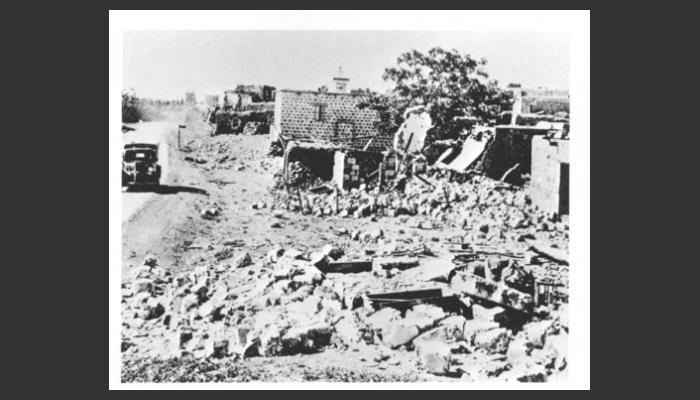
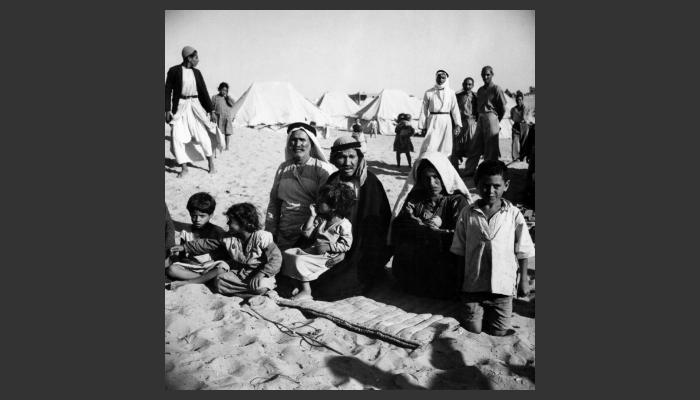
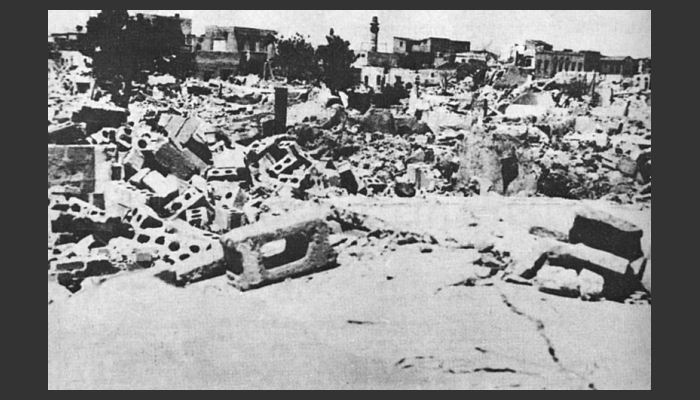
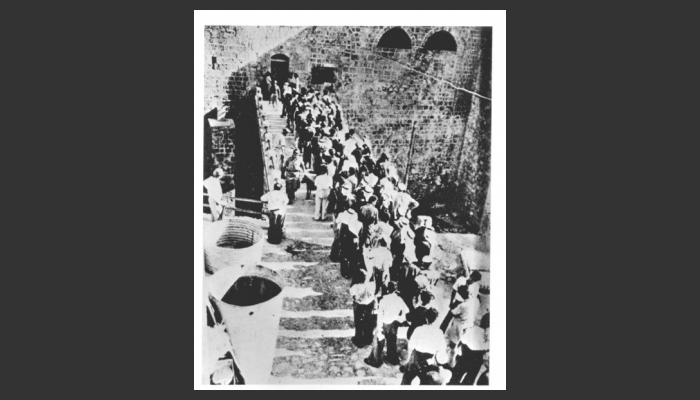
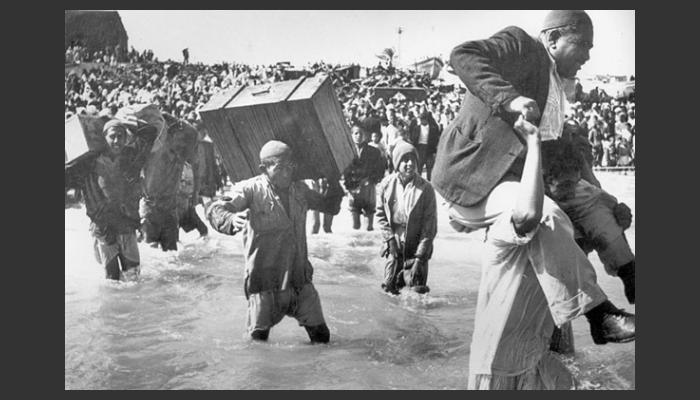
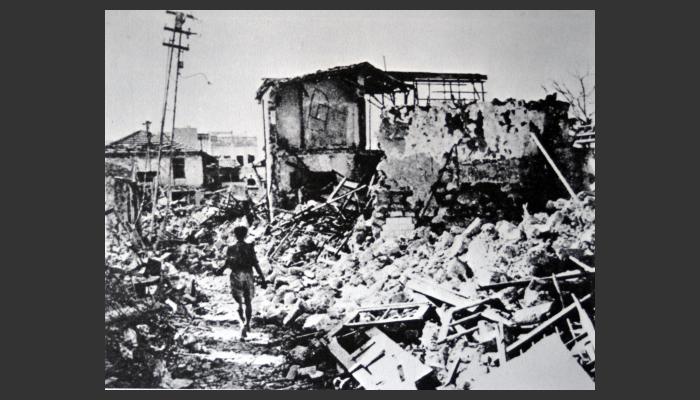
Israel was formed in 1948 through the brutal displacement of nearly 800,000 Palestinians and the destruction of more than 530 towns and villages. This pre-meditated ethnic cleansing is known as al-Nakba, the catastrophe. Since then, Israel has implemented a regieme of settler colonialism, apartheid and occupation. over the Palestinian people.
During and since its foundation in 1948, Israel has set out to control as much of the land of historic Palestine as possible and drive as many of the indigenous Palestinian population from the land as it can. Israel’s oppression of Palestinians involves settler colonialism: Zionism seeks to establish a distinct new society, take over control of land and resources and forcibly remove Palestinians.

Apartheid is an Afrikaans word meaning ‘separation’ and was the name given to the system of racial segregation and subjugation of the African and other non-white population of South Africa by white settlers from 1948 to 1994.
There are many similarities between apartheid in South Africa and modern day Israeli apartheid. South African apartheid was characterised by settler colonialism and the forced displacement of the indigenous population, the division of the colonised into different groups with different rights, severe restrictions on movement and violent suppression of resistance. These are all key characteristics of Israel’s modern day regime over the Palestinian people.
However, the validity of the apartheid analysis of Israel’s regime over the Palestinian people does not depend on similarities between Israeli policies and South Africa under apartheid. Israel’s oppression of Palestinians meets the definition of the crime of Apartheid that is set out by the 2002 Rome Statute of the International Criminal Court.
Israel has de-facto control over all of Israel and the Occupied Palestinian Territories but treats Jewish Israelis and Palestinians very differently. The way in which Palestinians are given less rights than Jewish Israelis is is institutionalised and written into the laws that govern how the Israeli state operates.
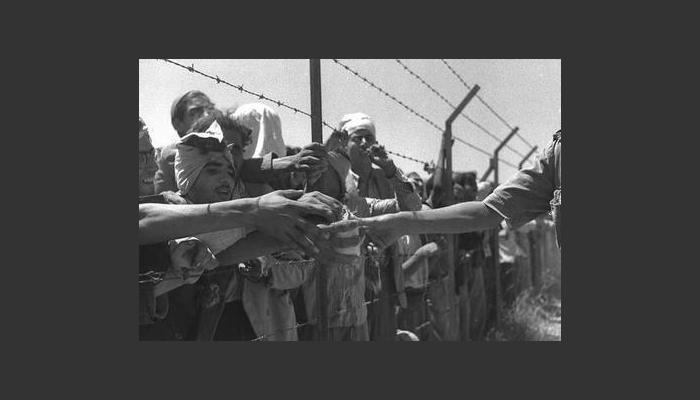
The majority of Palestinians are the 7.25m refugees who have been forced from their homes to make way for Jewish Israelis and are denied their right to return to their homes. The demand that Palestinian refugees be allowed their right to return to their homes is a key demand of the Palestinian struggle for freedom, justice and equality.
Israel says it is a "Jewish and democratic" state. However, the 20% of the population of Israel who are Palestinian citizens of Israel who are subjected to a series of racist laws and segregation policies that facilitate the continued ethnic cleansing of Palestinian citizens of Israel and make them third class citizens. A state that gives different rights to different people based purely on their ethnic identity cannot be described as a democracy.
Israel carried out horrific massacres of Palestinians in Gaza in 2008-09, 2012 and 2014. In all three attacks, the UN and human rights organisations have documented how Israel deliberately attacked Palestinian civilians, schools, hospitals and other civilian infrastructure and other war crimes. A UN report published in 2015 said that Gaza could be "uninhabitable" by 2020 as a result of the economic siege imposed by Israel and its regular attacks on Palestinians.
East Jerusalem is recognised as occupied Palestinian territory but Israel has annexed the city and is seeking to turn it into a Jewish Israeli city. It is seeking to do this by forcibly displacing Palestinians and transferring Israelis into the area in their place. The route of the Israel’s illegal apartheid wall deliberately cuts off East Jerusalem from the rest of the occupied West Bank.

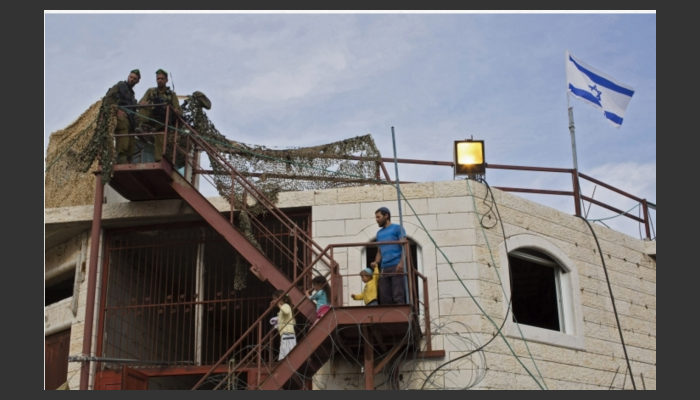
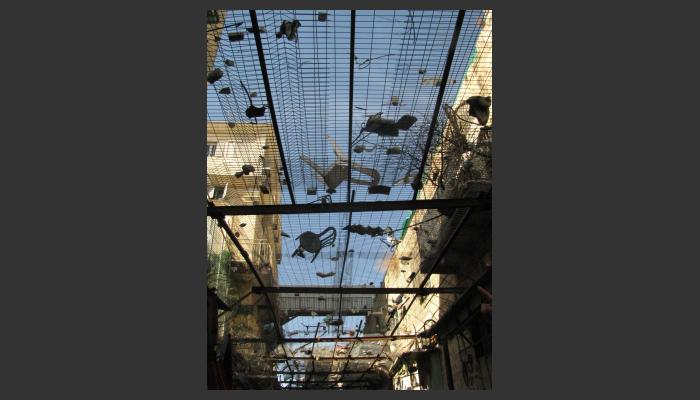
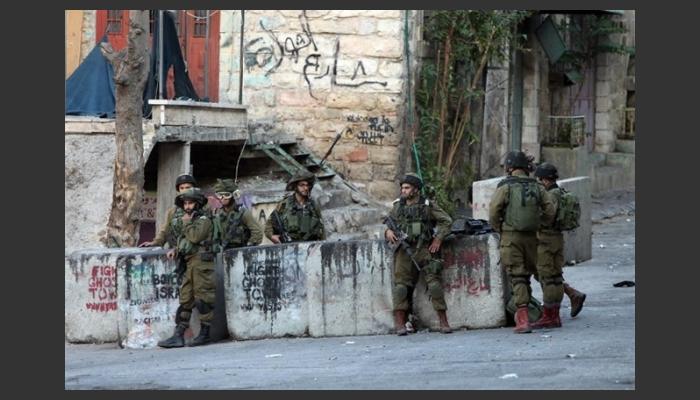
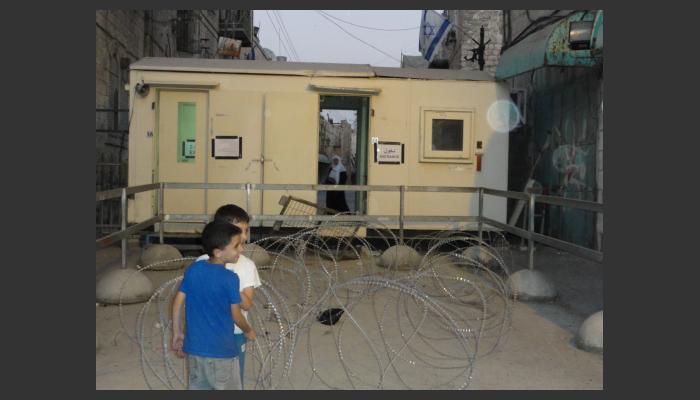
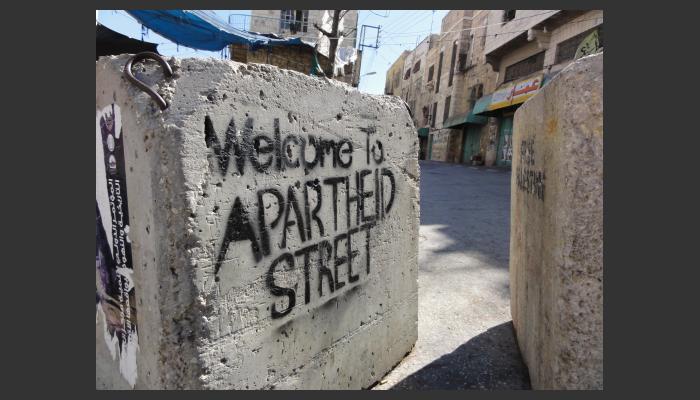
As part of its military occupation, Israel steals land and forces Palestinians into ghettos, surrounded by checkpoints, settlements and watchtowers and an illegal apartheid Wall. (photo: Activestills.org)
Israeli policies in the West Bank aim to forcibly displace and concentrate the Palestinian population into isolated bantustans and ensure the continued expansion of illegal Israeli settlements on Palestinian land. There are now approximately 650,000 Israeli settlers living in more than 200 colonies or settlements in the West Bank (including East Jerusalem). Around half of the West Bank is allocated to the settlements or otherwise off limits to Palestinians.
Israel is only able to maintain its system of apartheid and settler colonialism over the Palestinian people because of the support that it receives from world governments and corporations. All states, particularly those 124 states that have ratified the Rome Statute of the ICC, have a legal obligation to suppress Israeli war crimes and crimes against humanity.
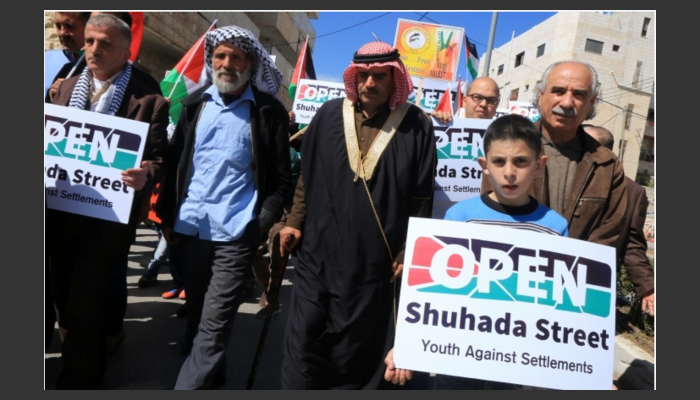
Waves of Palestinian popular resistance, especially the intifadas, has always revealed to Israel, the U.S. and other world powers that are complicit in maintaining Israel’s regime of oppression, that Palestinians will never accept slavery as fate. New generations will continue to rise up and assert their will to be free, against all odds.
The Palestinian BDS campaign is an effective way to provide support and solidarity to the Palestinian struggle for freedom, justice and equality. It aims to pressure Israel to comply with international law and to end international support for Israel’s regime of settler colonialism and apartheid.
Brief background

You don’t have to be a history expert to understand what’s happening in Palestine. But it does help to be familiar with a few key facts and terms.
1948: Israel was established in 1948 through the premeditated and systematic ethnic cleansing of nearly 800,000 Palestinians and the destruction of more than 530 Palestinian towns and villages.
1967: Using the 1967 War with neighboring Arab states as an excuse, Israel captured and occupied the Gaza Strip and the West Bank, including East Jerusalem. This area is commonly referred to as the Occupied Palestinian Territory (OPT). In the same war, Israel also captured the Syrian Golan Heights. Israel has maintained control over these occupied Palestinian and Syrian territories ever since, in defiance of UN resolutions calling for its withdrawal.
Israel oppresses and displaces Palestinians, fragmenting them into different geographical areas. The map below shows where Palestinians are living today. Note how almost half of the Palestinian people are refugees living outside of Palestine, denied their right to return by Israel simply because they are Palesitnian.
The Origins of Israel: Zionism and Settler Colonialism
The origin of Israel’s contemporary regime over Palestinians is found in the racist ideology of late 19th century European colonialism. This ideology was shared by the dominant stream of the Zionist movement, which was founded in Europe and would later establish the state of Israel.
Zionism claims that all people worldwide who identify themselves as Jewish belong to a “Jewish nation”, although these people are citizens of many countries, and that this “nation” has an inherent right to a “Jewish state” in Palestine, despite the presence of the indigenous Palestinian population.
A poster encouraging donations towards the colonization of Palestine
Starting in the 1880s, the Zionist movement set up colonies in Palestine and promoted Jewish mass immigration. The movement spread the false and deeply racist idea that Palestine was a land without people for a people without a land.
Zionist settler colonialism enjoyed the political support of Western imperial powers. Britain was appointed by the victors of World War I to govern Palestine and lead it toward independence. In 1917, Britain committed to facilitate the establishment of a “national home” for the Jewish people in Palestine against the wishes of the indigenous Arab population. This commitment commitment set out in a letter by then UK foriegn secretary Arthur James Balfour and is known as the Balfour declaration.
The four Great Powers are committed to Zionism. And Zionism, be it right or wrong, good or bad, is rooted in age-long traditions, in present needs, in future hopes, of far profounder import than the desires and prejudices of the 700,000 Arabs who now inhabit that ancient land.UK foreign secretary Arthur James Balfour writing in 1917 about the UK's support for a “national home” for the Jewish people in Palestine.
Faced with resistance from the predominantly Arab indigenous population, the Zionist movement began to develop “transfer plans” from the early 1930s. In 1948, the Zionist movement carried out its plan of ethnic cleansing of the indigenous population and created the state of Israel. This set of events is known to Palestinians as al-Nakba, the Arabic word for catastrophe.